
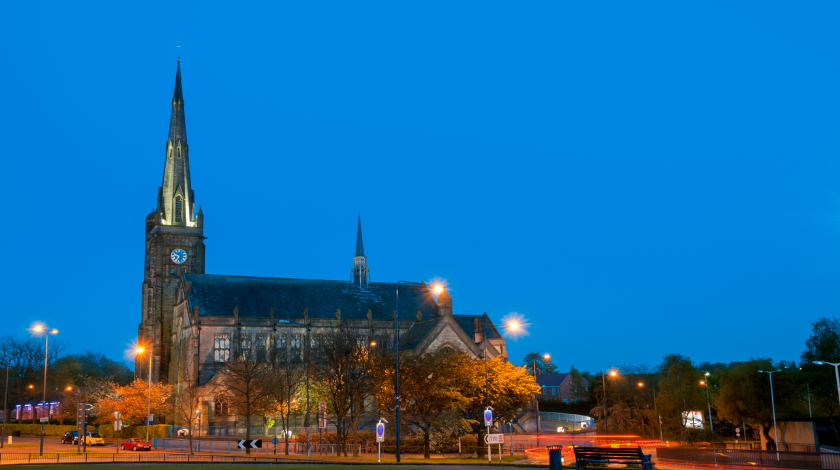
Let’s be honest, unless you’re from Greater Manchester, the name “Ashton-under-Lyne” might just be a string of syllables or a sign you whizz past on the motorway. I used to think the same. My first proper visit was on a drizzly Tuesday, expecting just another post-industrial town down on its luck. What I found instead was a place with a stubborn, proud character, a fascinating historical texture, and a proper, working-class market that feels like the town’s beating heart. It’s not a polished tourist trap, and that’s precisely its charm. This is a guide to the real Ashton-under-Lyne.
Ashton-under-Lyne: More Than Just a Mouthful
First things first, where is it? Ashton-under-Lyne sits in the Metropolitan Borough of Tameside, in the east of Greater Manchester. It’s snug in the foothills of the Pennines, with the River Tame flowing through it. That river is the key to the second part of its name—”under-Lyne” is thought to refer to the “Lyne” or Celtic word for a stream or pool, essentially meaning “Ashton-under-the-stream.” It instantly tells you this is a place shaped by its landscape and water. Getting here is straightforward, especially now with the Metrolink tram system. The journey from Manchester city centre is under 30 minutes, a ride that shifts from urban sprawl to glimpses of green hills, setting the scene perfectly.
A Walk Through Time: The Industrial Heartbeat
To understand Ashton, you have to start with its past. And there’s no better place to do that than the Portland Basin Museum. Housed in a beautifully restored 18th-century warehouse at the junction of the Ashton, Peak Forest, and Huddersfield Narrow Canals, this museum is a gateway. Standing on the cobbles outside, you can almost hear the clatter of hooves and the shouts of workers. Inside, it tells the story of how Ashton exploded during the Industrial Revolution.
This was once a global epicentre of the cotton industry. Those canals weren’t built for leisure; they were the superhighways of their day, transporting raw cotton and finished textiles. Everywhere you look in the older parts of town, you see the legacy: grand, soot-stained Victorian buildings that once housed banks and trade halls, and the sturdy terraced streets that were home to the mill workers. It was a town of immense wealth and grinding poverty, side by side. Learning this gave me a new lens. That robust, no-nonsense architecture isn’t just old; it’s a monument to graft and resilience.
The Soul of the Town: Ashton Market
If the museums tell the history, Ashton Market is the living, breathing present. Stepping into the covered Market Hall on a busy Saturday is an experience for all the senses. The air is thick with the smell of fresh bread, sizzling burgers from the legendary local food stalls, and the sweet scent from the traditional sweet stalls. The sound is a symphony of stallholders’ calls, chatter, and laughter.
I remember getting lost in the aisles, passing stalls selling everything from Manchester United memorabilia and mobile phone cases to beautiful bolts of African fabric and the freshest fruit and veg you could find. The butchers and fishmongers are artisans, proud of their produce. It’s not a boutique market; it’s a practical, essential, and wonderfully social hub. The outdoor market, with its rows of stalls selling household goods, plants, and clothing, has the same energetic buzz. My advice? Go hungry. Find a stall selling a hot roast pork sandwich or a homemade pie and just watch the world go by. You’ll see the real community here.
Market Days: The outdoor market is on Tuesday, Friday, and Saturday. The indoor Market Hall is open Tuesday to Saturday. Saturday is the busiest and most vibrant day by far.
Beyond the Market: Hidden Gems and Green Escapes
While the market is the star, there’s more to explore. The Tameside Hippodrome, a gorgeous Edwardian theatre, is a cultural beacon. It hosts everything from pantomimes and tribute acts to ballet and drama—it’s well worth checking their schedule.
For a quieter historical fix, a short drive or bus ride will take you to the Park Bridge Heritage Centre. This former ironworks in a secluded valley is a serene and poignant spot. The ruins are reclaimed by nature, and the small museum tells a quieter but equally important story of industry. It’s a world away from the market buzz.
And let’s not forget the green spaces. Ashton is on the edge of some beautiful countryside. Stalybridge Country Park is nearby, offering woodland walks and a reservoir—a perfect antidote to town life. Even the canal paths that once serviced the mills are now tranquil routes for a walk or cycle, a brilliant example of how Ashton has repurposed its industrial skeleton.
Getting There and Getting Around
Ashton is incredibly well-connected. The Ashton-under-Lyne Metrolink line is a game-changer, with trams running every 6-12 minutes to and from Manchester. The bus station is one of the largest in the region, linking you to surrounding towns. If you’re driving, the M60 motorway is minutes away, but be prepared to use the paid car parks—on-market day, street parking is a competitive sport!
Conclusion: A Town of Authentic Character
So, what’s the verdict on Ashton-under-Lyne? It won’t give you the medieval charm of Chester or the high-end gloss of Manchester’s Spinningfields. What it offers is something rarer: authenticity. It’s a town that doesn’t hide its history or its struggles. It’s a place where you can touch the rough brick of the Industrial Revolution in the morning, haggle for your groceries in a bustling market at lunch, and catch a tram to a city-centre restaurant in the evening. Its character is built on practicality, community, and a quiet, northern pride. It’s a piece of the real, unvarnished North West, and that makes it genuinely worth your time.
Frequently Asked Questions (FAQ)
Q: What does “under-Lyne” actually mean?
A: It refers to the town’s location under (or by) the “Lyne,” an old word for a stream or watercourse, specifically linked to the River Tame that runs through the area.
Q: Is Ashton-under-Lyne a good place to live?
A: It depends on what you’re looking for. It offers excellent transport links (especially the Metrolink), more affordable housing than central Manchester, a strong sense of community, and great local amenities like the market. Like any town, it has its less attractive parts, but many appreciate its honest character and convenience.
Q: What is Ashton-under-Lyne famous for?
A: Historically, it was famous as a major global centre for cotton spinning during the Industrial Revolution. Today, it’s best known for its massive, traditional market (one of the best in Greater Manchester), its canal heritage at Portland Basin, and as a key transport hub in East Manchester.
Q: Is Ashton Market open every day?
A: No. The outdoor market runs on Tuesday, Friday, and Saturday. The indoor Market Hall is open from Tuesday to Saturday. Saturday is the main day when everything is in full swing.
Q: How do I get to Ashton-under-Lyne from Manchester city centre?
A: The easiest way is via the Metrolink tram. Take the Ashton-under-Lyne line (the turquoise line) from Piccadilly Gardens or Piccadilly Station. The journey takes about 25-30 minutes and ends right in the heart of Ashton.